Drawing-Based Manufacturing Support

CNC Machining Services

Grandmec supports engineering teams with drawing-based CNC milling, turning and custom metal components. From prototypes to small and medium production batches, we coordinate process planning, finishing, inspection and delivery around your requirements.

Core Technical Business

Machined Around Your Component Requirements

Process planning and coordinated production resources follow the approved drawing, material, critical features and required quantity. The listed processes are selected by the actual component requirement, not by a catalogue assumption.

01

CNC Machining Centres

3-, 4- and 5-axis CNC machining approaches for precision plates, brackets, housings, manifolds and structural components, selected to the reviewed requirement.

High-precision metal cutting in aluminium, steel, stainless steel and copper alloys.

02

CNC & Conventional Lathes

CNC and conventional lathe processes for shafts, sleeves, rings, bushings, flanges and other rotational components.

Process selection follows the drawing, dimensional requirement and production volume.

03

5-Axis Machining

Coordinated 5-axis machining resources for complex geometries, reduced setups and improved positional consistency.

Thermal components, automotive performance parts and precision housings.

04

Swiss-Type Turning

Swiss-type turning may be reviewed for suitable small-diameter precision parts, subject to drawing feasibility and qualified resource availability.

Pins, connectors, fasteners, sensor and instrumentation components where the reviewed route is appropriate.

05

Mill-Turn Machining

Mill-turn machining may be considered for parts requiring concentric features, cross holes, flats, slots and complex interfaces, subject to drawing feasibility and qualified resource availability.

Automotive, fluid-control and industrial-equipment components where the reviewed route is appropriate.

06

Grinding, Wire EDM & Drilling

Project-matched grinding, wire EDM and drilling processes for controlled finish, profiles, access features and final tolerance refinement.

Shafts, precision interfaces, engineered wear components and complex metal parts.

07

Conventional Milling & Instrument Lathes

Supplementary conventional milling and instrument-lathe resources support appropriate component geometries and batch requirements.

Aluminium, steel and other ferrous metals, copper and copper alloys, and stainless steel.
Drawing Facts

Information Used to Plan the Manufacturing Route

A meaningful review begins with the controlled drawing and the features that govern component function. Numerical tolerances, specific lead times and final process selection are confirmed project by project.

Component scope
Plates, brackets, housings, manifolds, shafts, sleeves, rings, bushings, flanges and drawing-specific metal components.
Drawing inputs
CAD model and dimensioned drawing, revision status, material, quantity, finish and critical features.
Process planning
CNC milling, turning, 3-, 4- and 5-axis machining, conventional processes, grinding and wire EDM selected to the approved requirement.
Special processes
Swiss-type and mill-turn routes are assessed only subject to drawing feasibility and qualified resource availability.
Quality inputs
Critical dimensions, inspection scope, material documentation and acceptance criteria agreed for the individual project.
Batch approach
Prototype, pilot, small and medium production batches; delivery timing is confirmed after technical and production review.
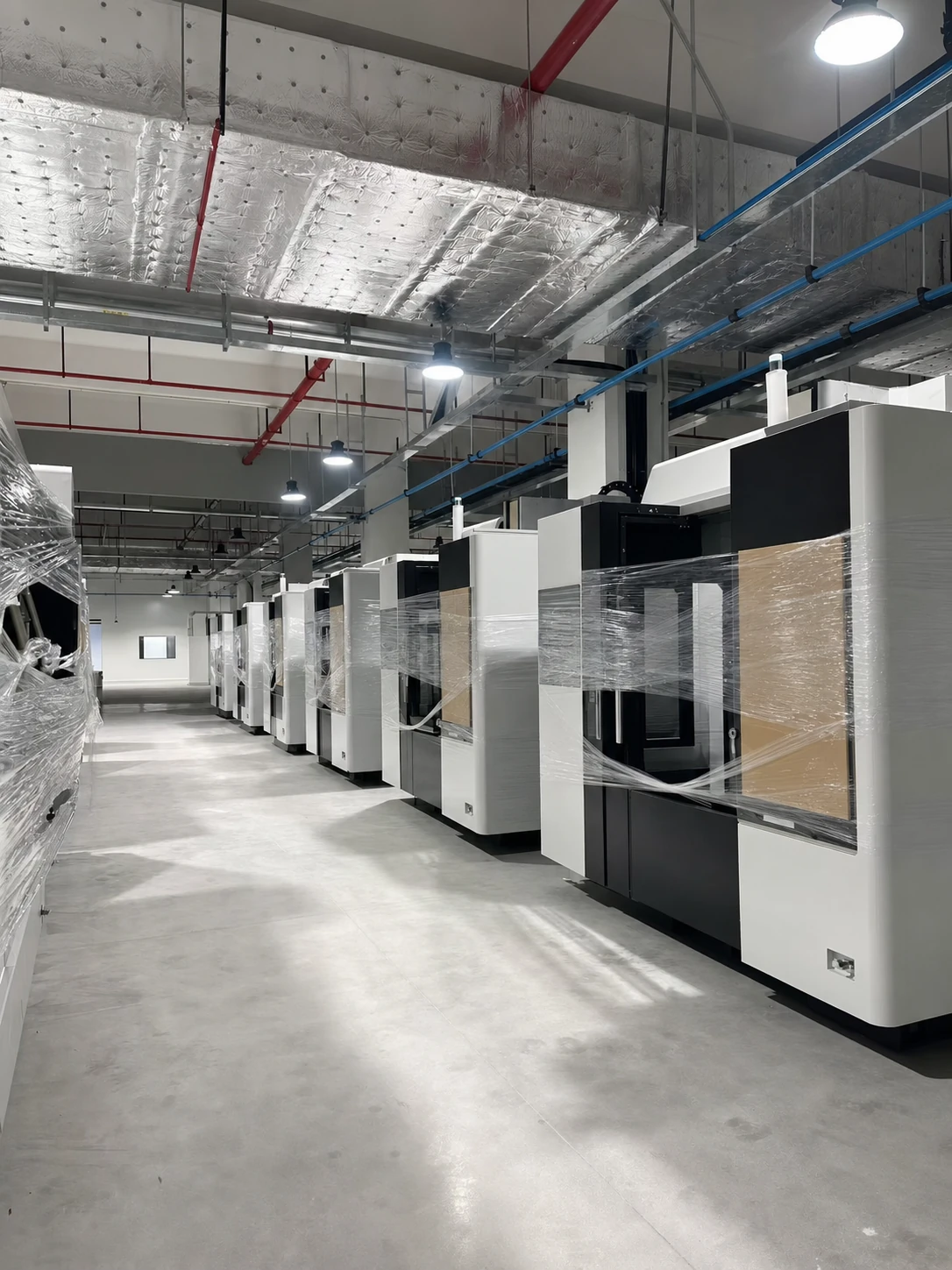
Representative CNC machining workshop environment
From Prototype to Repeat Supply

A Controlled Path from Drawing Review to Batch Planning

Share your drawing, material, quantity and critical requirements. We review the manufacturing route, develop the agreed production approach and coordinate inspection against the approved specification. Engineering design consultancies and product teams can use this path for prototype iteration, controlled changes and transfer into repeat production.

  • Drawing and revision review
  • Material and process evaluation
  • Prototype or pilot-batch planning
  • Controlled change discussion
  • Small and medium repeat-batch planning
  • Inspection and documentation by requirement
For Engineering Consultancies

Buyers Need a Route That Preserves Design Intent

For engineering design consultancies, a manufacturing review should support drawing clarity, prototype iteration and a practical transfer into repeat production. It does not replace the design owner's responsibility for functional design, validation or final acceptance.

  • Drawing review around function, datums and critical features
  • Revision-controlled prototype iteration
  • Material, finish and inspection inputs captured before repeat batches
  • Project-specific manufacturing route and delivery review
Buyer Questions
What is needed for a CNC machining quotation?+

Send the CAD model and dimensioned drawing, material, quantity, finish, critical features, inspection requirement and target delivery date. If any detail is unknown, identify it for review rather than assuming a standard.

Can engineering design consultancies use the same manufacturing route?+

Yes. Engineering design consultancies can submit controlled drawings for drawing review, prototype iteration and transfer into repeat production. Revision status, functional dimensions and the design owner's acceptance requirements should be clear before production.

How does prototype work transfer into repeat batches?+

The component drawing, approved changes, material, process route and inspection requirements should be captured before repeat supply. Batch quantities and delivery timing are then reviewed against the current approved requirement.

Start with a Drawing, Sample or Technical Requirement

Send geometry, material, tolerance, quantity and delivery information for a qualified manufacturing response.

Optional analytics

Measure public pages and inquiry or click events, without form details or drawing contents. Browsing and RFQ still work if declined.